 Us
Us  Da
Da En
En


About the product
Sealskins are graded into qualities A, B, C, D, E & discarded skins. “A” skin = top quality (very rare). “E” quality = skin with many flaws. PLEASE NOTE: All our product photos of sealskin here on the webshop are taken from C or B skins. Colour tones vary from skin to skin. Sizes vary from skin to skin. It is NOT the skin you see in the product photo that you are purchasing. Do you have any special requests for a skin? – then simply write it in the comments on your order, and we will do our best to find a suitable skin – but we offer no guarantees on requests.
Quality descriptions: A, B, C, D, E and discarded. A-grade skins have a maximum of two flaws. B-grade skins can have up to eight flaws. C-grade skins can have several flaws, as well as one or two larger flaws. D-grade skins can have areas completely without hair or hard leather. E-grade and discarded skins are typically very damaged skins and with discolourations, which can only be used for the production of very small items, after which the rest of the skin is completely discarded. In Great Greenland’s own production of finished goods, we primarily work with C and D qualities.
Seals live in the wild, which is why “damage” often occurs from nature, reducing the quality of the skin. However, this is also what makes each sealskin completely unique! The quality indications therefore tell something about the general condition of the skin. How perfect, or imperfect, the skin is. Read more about sealskin here:
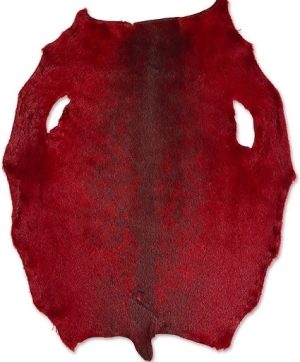
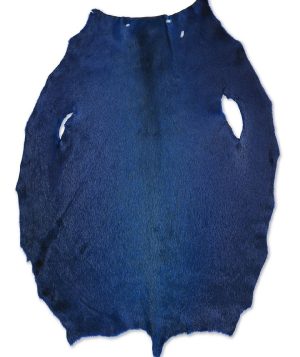
Coloured sealskin: At Great Greenland, we primarily sell natural skins, but we also dye many skins in popular and fashionable colours. Dyeing only takes place if the natural skin is severely discoloured. Dyeing thus saves the skin from being discarded, ensuring sustainable production. A beautiful natural skin will never be dyed if there is no need for it.
All sealskins processed by Great Greenland are caught by Greenlandic Inuit hunters along the Greenlandic coast. All skins are tanned at Great Greenland’s tannery in South Greenland. All sealskins comply with EU legislation regarding sealskin. Only Inuit-caught sealskins are approved for sale, production, and import into the EU. See more here on
the EU’s official website:
Ringed seals:
The ringed seal is also called a netside, and it is probably the seal most people associate with Greenland. Its distinctive markings along its back have been seen on Inuit garments for hundreds of years, and today the skin is still used for both clothing and interiors.
The ringed seal is naturally light grey but has strong dark ring markings along its back, which can vary from light grey, dark brown, to almost black. The appearance of the skin is very varied, but always decorative. Ringed seals are available in both long-haired (LH) and short-haired (KH). The long-haired type has a more fur-like appearance, while the short-haired type is flatter. The short-haired ringed seal is also significantly larger than the long-haired one.
Decorative or handicraft skins? Sealskins are extremely decorative. Can be used, for example, as rugs, as cushions in chairs or sofas. Only imagination sets the limits. Sealskin behaves like other leather goods concerning wear and maintenance. A wonderful material for handicrafts.
PLEASE NOTE: All our skin product photos here on the webshop are taken from B & C grade qualities. All sealskins are unique and can therefore vary in both size and colour nuances within the same quality group.